
.jpeg.bbf7ba8de8e709f19c8f34eb84cf51ce.jpeg)
Bob Riding
-
Posts
1,088 -
Joined
-
Last visited
-
Days Won
9
4 Followers



Recent Profile Visitors
5,267 profile views



-
Unfortunately, the Amazon 1 star reviews slam the new Carters as "Chinese junk" (not the boats). Not sure I want to take a chance on them. Any better options out there?
-
I am interested in following @keithb7's lead but with a 12 volt Carter pump. This came up on an Amazon search: Carter Electrical Fuel Pump Automotive Replacement 12V (P4594) but in the specs it says fuel type - diesel. Would it work with gas?
-
.thumb.jpeg.28cb36506a6b17cd30e7d4a22504384d.jpeg)
41' Dodge Coupe window vent removal question
Bob Riding replied to 41RogueCoupe's topic in P15-D24 Forum
Not sure as mine was also '40-41. -
41' Dodge Coupe window vent removal question
Bob Riding replied to 41RogueCoupe's topic in P15-D24 Forum
Mark does an excellent job explaining the inner working of the doors. Check it out. 1941 Plymouth Restoration (#13) The other videos in his series are also very well done. You can tell he was an educator. -
Large or Small Driving lights on my 1939 DeSoto
Bob Riding replied to desoto1939's topic in P15-D24 Forum
I would go for the smaller ones myself. Looks like they weren't really offered from the dealer? Accessories as aftermarket? My grandfather (William Riding) sold Plymouths and Desotos in central California in the late 30's , early 40s. Maybe yours???
-
You're welcome. I'm in the middle of the steering column teardown and will document and show and tell
- 4 replies
-
- 1
-

-
- bellcrank
- bell housing
- (and 1 more)
-
AND don't forget to change your stale headlight fluid...
-
Just PM'd you.
-
Thanks Booger. It's like building car models when I was a kid. I wouldn't be attempting a lot of this without the support of our Forum members! It's also fun.
-
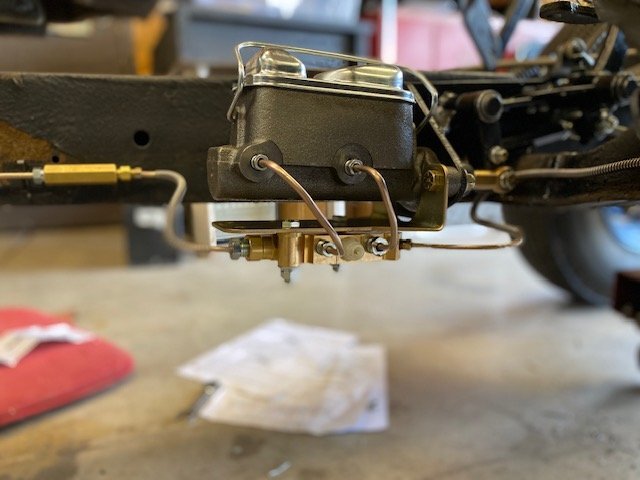
I'm moving right along on my '52 Suburban build. This week I finished upgrading the brakes to a dual master cylinder from ECI Hotrod Brakes and Brackets. It's very well made and I had no trouble fitting it to my existing underfloor brake pedal. The instructions were good, and the only thing I had to buy extra was a bracket off eBay, to hold the combination valve below the master cylinder. I tried to re-use all the original clutch parts that I could, but needed to add a bit of metal to the clutch pull back spring arm as it was wallowed out, and install new clevis pins. My wife donated her old tan purse for the clutch fork seal. I saved some $ by using the P15D24 Forum template and made one myself, as AB and others are all out of stock. Next-steering column fun! ECIChrysler.mov



- 4 replies
-
- 3
-

-
- bellcrank
- bell housing
- (and 1 more)
-
In fact, Chrysler was so proud of the 1951 Hemi, that they released it as a stand-alone option- no car, just motor. For some reason the gals just loved it!

-
Nice dash. The padded part always seems to crack. Was yours replaced?
-
My mistake! I meant 265. Great motor. The last of the flathead six motors for Chrysler. Dodge and Plymouth had the 230 cu in until 1959.
-
Welcome! Do you have the original 365 cu in motor?
-
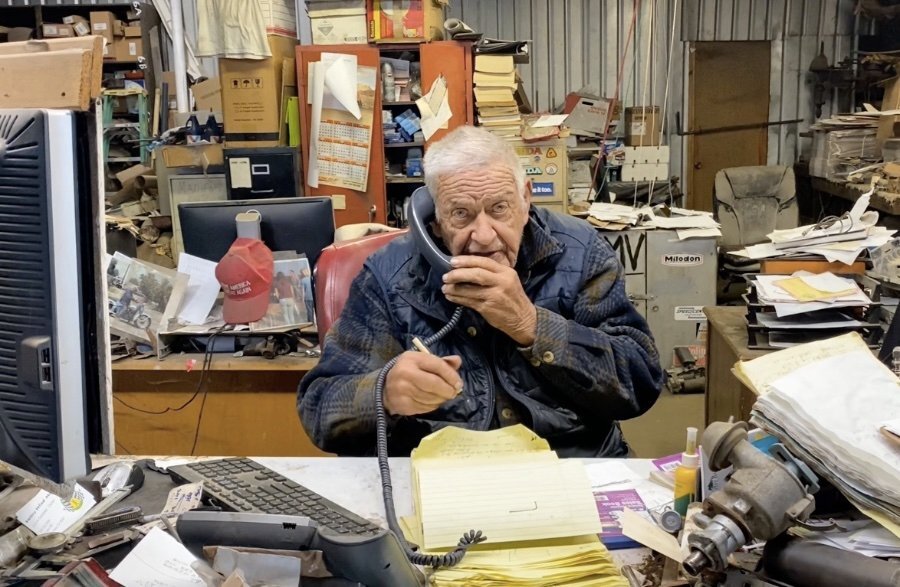
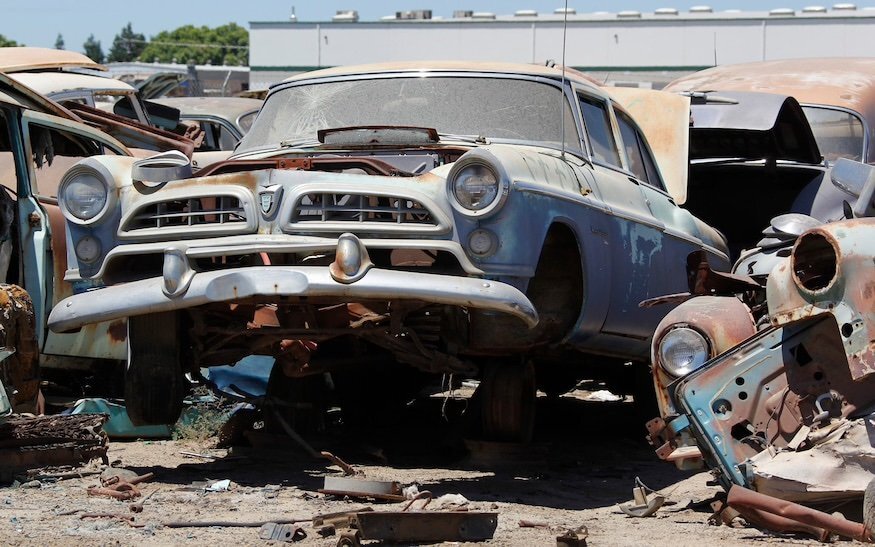
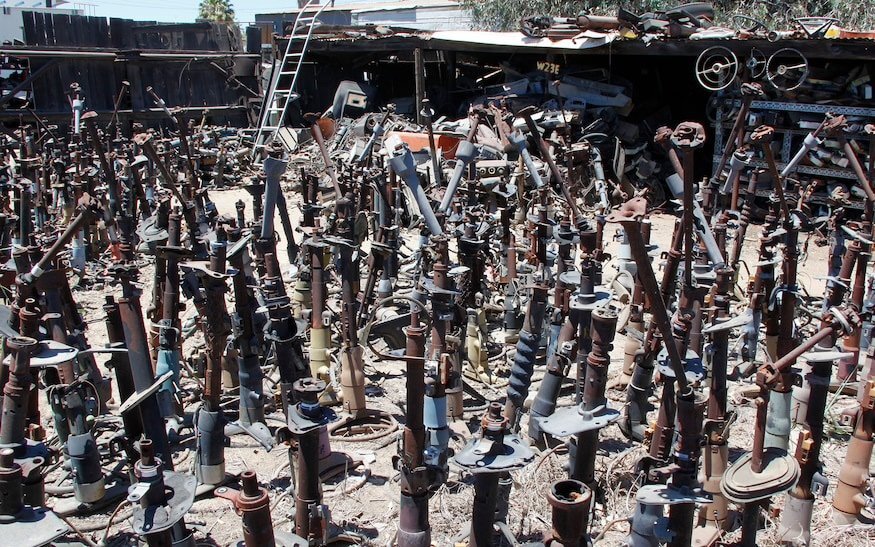
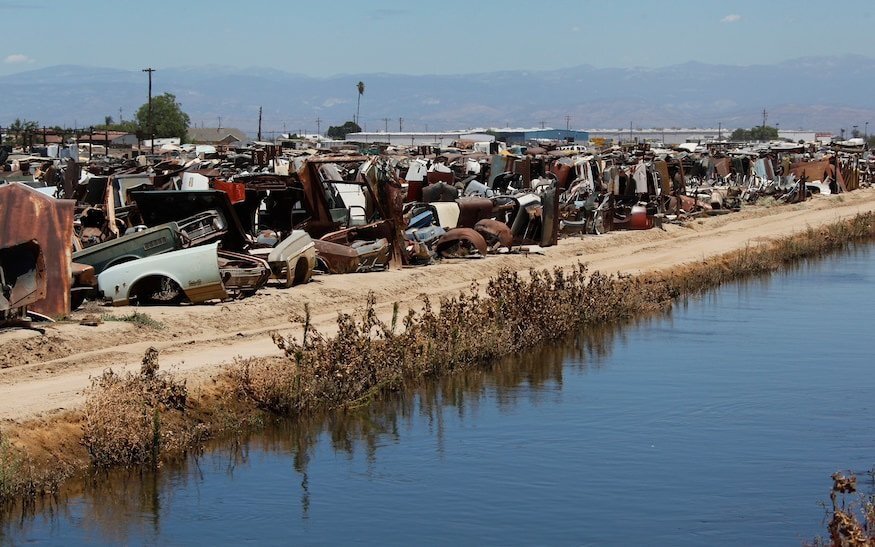
Turner's Auto Wrecking, Fresno Cal. Lots of 50's cars. The owner Jerry Turner is in his 90s and is still working everyday. Jerry is amazing, and has helped countless customers looking for parts for their vehicles for at least the last 50 years. It's a family-run business with his grandson Kyle pulling parts and working the front desk. All here in dry, sunny, central California. Here are some pictures of his amazing Disneyland for car guys: